


Roll Labels vs. Sheet Labels: 5 Things You Need to Consider Before You Order
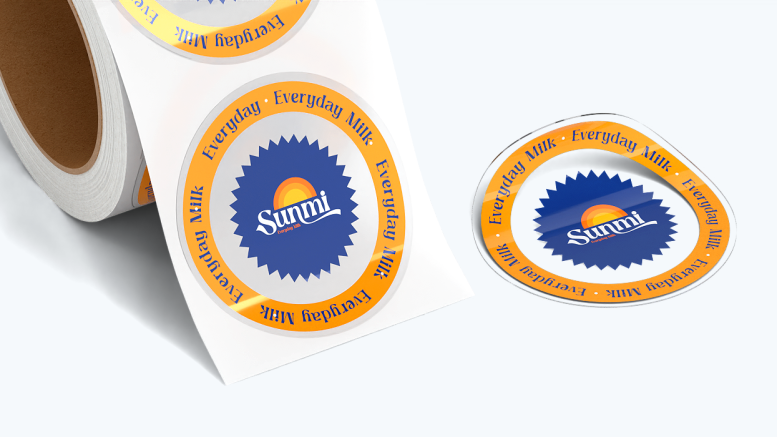
Labels play a key role in branding, packaging, logistics, and everyday business operations. They bear essential information, from product ingredients to safety compliance notices and shipping details, and they help provide a better customer experience. For these reasons, custom labels come in various formats, with roll labels and sheet labels being the most popular.
This guide walks you through the key factors to consider when deciding between roll labels and sheet labels.
1. Determine Your Label Volume Needs
One of the most important factors determining the ideal format is the number of labels you need. In general, sheet labels are the economical choice for low-volume labeling, short runs, and print-on-demand designs.
Roll labels, meanwhile, are often cheaper per unit for large-volume labeling. Businesses where labeling is a frequent or daily task benefit more from these labels than any other formats.
2. Consider the Application Method
The right label format also depends on whether you apply them manually or use an automated or semi-automated application system (e.g., label applicator guns or automatic labeling machines).
As a general rule, sheet labels work well for occasional or infrequent labeling often done by hand, while roll labels are designed for automated or semi‑automated application and high-speed workflows.
3. Evaluate Your Customization Needs
If you have very specific requirements, roll labels are generally a better choice as they come in a wide variety of materials, including BOPP (biaxially oriented polypropylene), removable BOPP, white paper, brown kraft paper, and textured papers. Moreover, you can add special finishes, such as matte or gloss laminate, for extra durability.
By contrast, the customization options for sheet labels are quite limited, as they are typically available only in standard white paper.
4. Consider Your Durability Requirements
Since roll labels offer more customization options, they are generally a great choice if you need extra durability or finishes to make them resistant to moisture, heat, refrigeration, oils, or handling.
For example, wine bottles, refrigerated food products, and outdoor warning labels require durable, moisture-resistant materials to perform and last as intended. For these products and applications, roll labels are often the right choice.
5. Factor in Cost
Cost is not just about the price of the labels — it also includes labor, waste, equipment, scalability, and backlog inventory.
For small quantities (dozens to a few hundred labels), sheets are a better choice due to the lower risk of unused inventory. They are also ideal if you frequently change your designs, prices, and information. On the other hand, roll labels are the go-to option for large-volume orders since the cost per unit decreases as quantities increase.
Quick Buying Checklist: Roll Labels vs. Sheet Labels
Use this checklist to identify the label format that best fits your needs. The more boxes you check in one column, the clearer the choice becomes.
| Key Factors | Roll Labels | Sheet Labels |
|---|---|---|
| Volume and Frequency |
Label products daily or continuously Need hundreds or thousands of labels |
Label items occasionally or in small batches Need dozens to a few hundred labels |
| Application Method | Automated or semi-automated application | Manual peel-and-stick |
| Environmental Exposure and Durability |
Moisture, heat, oils, refrigeration Durability is critical |
Temporary labeling Indoor or short-term use |
| Branding Needs | Retail-ready and customer facing | Internal or office use |
| Customization | Custom shapes, materials, and finishes | Basic shapes and limited material options |
| Speed | Speed and consistency are critical | Speed is not a priority |
| Cost Efficiency |
Lowest cost per label at scale Labor efficiency matters |
Low upfront cost and short runs |
| Growth | Built for scalable growth | Flexible, short-term needs |
The right label format depends on factors such as applications and uses, branding needs, label quantities, and budget. As a general rule, sheet labels are suitable for small quantities and frequently changing designs and information, while roll labels are best for efficiency, scalability, extra durability, and extensive customizations.
Many growing businesses start with sheet labels and transition to roll labels as volume and automation needs increase, and a strong visual brand identity becomes more important than ever.
Ready to print your custom labels? Get yours from PrintRunner known for its premium materials, extensive customization options, competitive pricing, and consistently fast turnaround.