


How to Write a Postcard
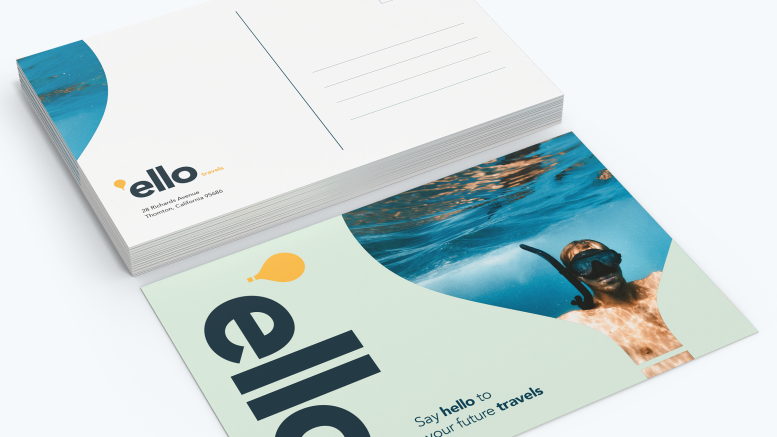
Table of Contents
- Introduction
- Postcard Basics and Formatting
- How to Write a Personal Postcard
- How to Write a Business Postcard
- Postcard Writing and Design Best Practices
- Postcard Writing Checklist
- Templates and Tools
- Key Takeaways
- Conclusion
What You’ll Learn in This Guide
Postcards are a simple yet effective tool for sharing stories, inviting people to events, and thanking customers. When written well and correctly, they can create a personal connection, drive event attendance, and generate sales.
But if you’re unsure where to begin, don’t worry because we got you. This PrintRunner guide covers postcard writing, including formatting rules, personal examples, travel messages, business marketing postcards, templates, tools, and best practices.
Anatomy of a Postcard
Before you start writing, it’s worth knowing the parts of a postcard so your message lands on the right section of the print. Every postcard is composed of these standard elements:
- Front Side – Shows an image, photo, graphic, or promotional design
- Message Area – Contains your personal or marketing message
- Address Area – Holds the recipient’s mailing information
- Stamp Area – Reserved for postage
- Call-to-Action Area – Encourages readers to take the next step (usually applies to business postcards)
Where to Write the Address and Message
The front side of the postcard is usually the first thing people notice. After all, it features a photo, custom design, graphics, or branding.
But it’s the back of the postcard where you’ll find the message and mailing information, such as the recipient information, return address, and postage area. The address section usually includes:
- Recipient’s full name
- Street address
- Apartment or suite number (if applicable)
- City
- State or province
- ZIP or postal code
- Country (for international mail)
Learn more about the proper way to address postcards by reading our How to Address Postcards guide.
How to Write a Personal Postcard
- Start with a friendly greeting. Address the recipient by name to make your postcard feel personal.
- Share your main message. Let the recipient know why you’re writing. Since standard postcard sizes have limited space, focus on one or two highlights instead of describing every detail.
- Add a personal touch. Share a funny moment, a local dish you tried, beautiful scenery, or anything that made you think of the recipient.
- End with a warm closing. Leave a friendly sign-off at the end of your message. Then sign your name so the recipient knows who the postcard is from.
- Add the mailing information. Before sending your postcard, write the recipient’s complete mailing information on the right side of the back. Write their full name, street address, state or province, ZIP code, and country if mailing internationally. Place the postage stamp in the upper-right corner and check that all information is accurate.
Here’s an example of a personal postcard:
Christine Miller
4728 Elmwood Ave., Apt 3B
Austin, TX 78702
UNITED STATES
Hi Christine,
Greetings from The Maldives! The water here is crystal clear, like glass reflecting the sky. Yesterday, we went on a boat to go to a small island where we swam and ate the most delicious food by the shore. Wish you were here!
Love,
Diane
Diane Smith
Lily Villa, Violet Magu
Maafushi Island, 08090
MALDIVES
How to Write a Business Postcard
- Start with an attention-grabbing headline. Your headline is the first thing people will notice, so make sure it’s compelling. A strong headline encourages recipients to keep reading your postcard.
- Highlight the main benefit. Focus on one or two benefits that are the most advantageous to the customer instead of baring all the details of the event.
- Include a clear call to action. Tell the recipient exactly what you want them to do next to help encourage a response. Some examples you can use are Shop Now, Schedule Your Appointment, Get a Free Quote, and Call Us Today!
- Make it easy for people to contact you. Add your store’s contact details — this could be a website, a social media handle, a phone number, an email address, a store address, or a QR code — to make it easier for people to reach you. You can also add business hours whenever necessary to help set people’s expectations.
- Add the mailing information on the right side of the back of the postcard. If you’re doing direct mail campaigns, ensure your mailing list is up to date and accurate. Remember to write the recipient’s name, address, city, state or province, ZIP code, and apply the correct postage stamp.
Check out the example of a business postcard below:
Jonathan Harris
4728 Elmwood Ave., Apt 3B
Austin, TX 78702
Big Weekend Savings Just for You!
Enjoy up to 50% off your favorite items this weekend only. Upgrade your style, stock up on essentials, and avail our limited-time discounts before they’re gone.
Visit Our Store or Shop Online at [Website]!
The Branded Apparel Co.
845 Texas Avenue
Houston, TX 77002
Postcard Writing and Design Best Practices
Whether you’re writing a personal or business postcard, use these tips to convey your message and make a lasting impression.
- Write with clarity and purpose. Keep your message short and simple by focusing on one main idea and then match your tone to the card’s purpose. Also, proofread your postcard before sending or printing to ensure it’s free from spelling and grammar errors.
- Use readable fonts and a font size that’s comfortable to scan and then create enough contrast between the text and the background. Avoid cramming text into the available space so readers can understand your message. It’s not recommended to use decorative fonts as these may be difficult to read.
- Keep the layout clean and organized. If you’re designing your postcard from scratch, remember to create a balanced, uncluttered layout. Use white space around important elements to guide readers and make your message stand out.
- Use high-quality images and graphics. Your visuals must be sharp, of high resolution, and align with your message, style, or brand identity.
- Double-check everything. Review your postcard before printing and mailing them. Make sure the address is correct, your contact information is accurate, and the postage is correctly placed.
Postcard Writing Checklist
Use this quick checklist before sending or printing any postcard.
Templates and Tools
Not sure how to start? Don’t worry, we’ve got all the resources you need right here.
General Personal Postcard Template
“Hi [Name],
Just wanted to send a quick hello from [location]. It’s been [experience or update], and it reminded me of you.
Hope you’re doing well. Let’s catch up soon.
All the best,
[Your Name]”
Vacation Postcard Template
“Hi [Name],
Greetings from [destination]! The place is [short description of vibe or scenery]. One of the best parts so far has been [specific moment or experience].
Wish you were here!
Love,
[Your Name]”
Thank-You Postcard Template
“Dear [Name],
Thank you so much for [specific reason]. I truly appreciate it, and it made a real difference to me.
Hope you’re doing well.
Sincerely,
[Your Name]”
Promotional Business Postcard Template
“Headline: [Attention-grabbing offer or announcement]
Hi [Name/Target Audience],
We’re excited to share [offer, event, or update]. For a limited time, you can enjoy [benefit or discount].
Don’t miss out. [CTA].
[Business Name / Website]”
Event Invitation Template
“Headline: You’re Invited!
Join us for [event name] on [date] at [location].
Enjoy [key benefit or highlight of event].
Reserve your spot today at [link or contact].”
Got a print-ready design? Try our free print layout templates or our easy-to-use online design tool to create your design in minutes.
Key Takeaways
- Keep your message short, meaningful, and easy to read.
- Writing your message, mailing address, and return address are critical to mailing postcards, as well as applying the right postage.
- Postcard design templates make for good inspiration when creating postcards from scratch.
- Double-check your mailing information before sending your postcards.
- A clean layout, readable text, high-quality images, and accurate mailing information help your postcard make a great impression.
Your Next Great Postcard Starts Here
The most effective postcards are clear, intentional, and easy to understand. Whether you’re sharing a memory, expressing gratitude, or promoting a business, we hope this comprehensive guide helps you write a postcard that creates meaningful connections that last.
When you find yourself ready to create professional-looking postcards while staying on budget, check out our article on How to Make Quality Postcards That Don’t Break the Bank for more tips.