


Permanent Stickers vs. Removable Stickers: Which One Should You Pick?
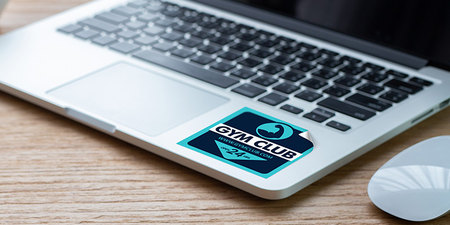
All stickers, whether permanent or removable, use adhesives that bond to a surface when pressure is applied. However, the main difference lies in how aggressively they bond or “cure” over time.
This guide explains the key difference between permanent stickers and removable stickers to help you choose the one that best suits your specific needs. We also learn how to protect surfaces from damage and how to properly use stickers depending on the adhesive.
What are Permanent Stickers?
Permanent stickers are designed to form a strong, long-lasting bond with the surface they’re applied to. Once installed, they are meant to stay in place indefinitely.
In general, permanent stickers are intended for outdoor use and high-traffic environments. As a result, they are typically made from durable, moisture-resistant materials like vinyl and BOPP (Biaxially Oriented Polypropylene).
Key Characteristics
- Excellent adhesive strength
- Highly resistant to peeling, lifting, or shifting
- Removal is difficult and often requires more complex methods
- Often “cures” over time, meaning the bond becomes stronger the longer the sticker remains in place
Common Uses for Permanent Stickers
Permanent stickers are ideal when longevity and durability are your top priorities (rather than easy and quick removal).
| Product Labeling |
|
| Branding |
|
| Shipping and Logistics |
|
| Asset and Inventory |
|
| Outdoor or Industrial Use |
|
| Appliance and Electronics |
|
What are Removable Stickers?
Removable stickers are designed to adhere reliably but peel away cleanly and easily (with proper technique) when no longer needed. They use a lower-tack adhesive that bonds to the surface without curing hard.
You may need a heat source, such as a blow dryer on the low setting, to remove these stickers without leaving any residue on the surface or damaging the wall paint.
In general, removable stickers are designed for indoor, climate-controlled environments.
Key Characteristics
- Light to moderate adhesive strength
- Clean removal with a proper technique
- Minimal residue when removed
Common Uses for Removable Stickers
| Temporary Promotions |
|
| Retail Merchandising |
|
| Wall Decals and Décor |
|
| Events |
|
| Organization and Planning |
|
| Production Protection or Instructions |
|
Permanent Stickers vs. Removal Stickers: A Side-by-Side Comparison
| Adhesive Type | Advantages | Potential Drawbacks |
|---|---|---|
| Permanent Stickers |
|
|
| Removable Stickers |
|
|
Various Types of Surface Application and How They Affect the Adhesive
Where and how a sticker is used can help you determine the right adhesive, material, and finish to ensure it sticks properly and functions as intended.
Smooth Surfaces
Permanent and removable adhesives work well for most clean, flat, non-porous materials.
- Glass
- Metal
- Most types of plastics
- Finished wood
- Ceramic
Rough or Textured Surfaces
High-tack permanent adhesive is generally the best choice to ensure the sticker conforms to the uneven or porous materials:
- Concrete
- Brick
- Raw wood
- Unpainted walls
Curved or Flexible Surfaces
The right adhesive depends on the stickers’ main purpose. However, the general recommendation is to use flexible materials (like BOPP stickers) to avoid lifting and wrinkling on curved surfaces.
- Bottles
- Helmets
- Tubes
- Packaging
Painted Walls and Sensitive Surfaces
Removable stickers are usually safer but may still cause surface damage if the paint is not fully cured. Fresh paint (less than 30 days old) is especially vulnerable.
How to Choose the Right Sticker Type
Still not sure which adhesive type to use for your custom stickers? If so, ask yourself these questions to help you pick the right one.
- How long will the sticker remain in place?
- Does it need to be removed cleanly?
- What surface will it be applied to?
- Will it be exposed to moisture, sunlight, or handling?
Your answers will quickly point to the correct adhesive type. You can also check out this guide to different sticker types to find the one that suits your specific needs.
Ready to turn your ideas into durable, professional stickers that leave a lasting impression and perform as intended? With PrintRunner’s color-accurate printing, extensive customization options, and bulk discounts, you’ll get results that are exactly what you need.